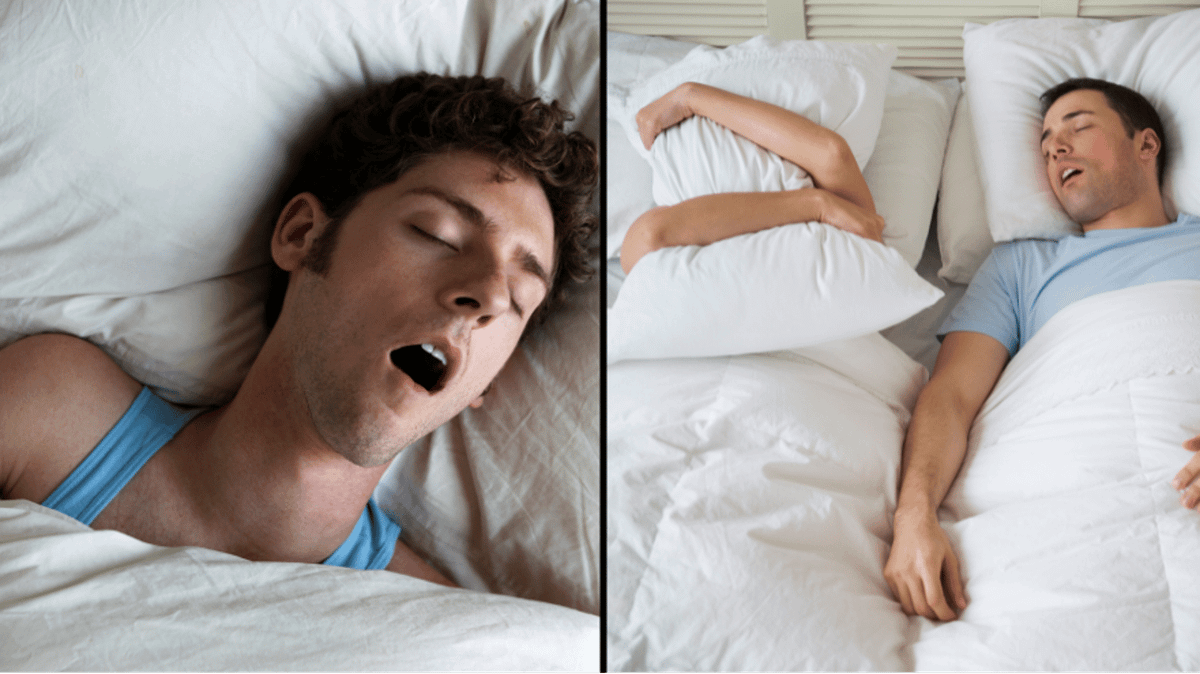
Most of us have experienced or been subjected to snoring at some point. It’s a common nightly symphony that often elicits a chuckle or a frustrated nudge. However, when that gentle rumble escalates into a roaring nightly performance, becoming a chronic and deafening sound, it’s time to ask: Why do I snore so loud? This isn't just a nuisance; loud, consistent snoring can be a critical warning sign from your body, often pointing towards a serious underlying health condition like obstructive sleep apnea (OSA).
Beyond Annoyance: When Loud Snoring Becomes a Warning Sign
While sporadic, light snoring might be harmless, a persistent, thunderous snore is far from benign. For many, it's the first and most noticeable symptom of obstructive sleep apnea (OSA), a condition where breathing repeatedly stops and starts during sleep. Ignoring such a prominent signal can have significant long-term health consequences.
People who snore loudly often disturb their partners, leading to relationship strain and sleep deprivation for both. But the individual snorer faces far greater risks than just a restless night. If you’re constantly wondering, “Why do I snore so loud?” it’s crucial to look beyond the immediate inconvenience and consider the broader implications for your health.
Beyond the noise, other signs might accompany loud snoring, serving as further red flags. These include:
- Waking up gasping or choking for air in the middle of the night.
- Excessive daytime sleepiness, even after a full night's sleep.
- Morning headaches.
- Difficulty concentrating or memory problems.
- Irritability or mood changes.
- Sore throat or dry mouth upon waking.
- Frequent nighttime urination.
Recognizing these accompanying symptoms alongside loud snoring is vital for identifying a potential problem early on.
Decoding the Anatomy of a Snore: Why Airflow is Key
To understand why snoring can become so loud, we need to delve into its mechanics. Snoring occurs when the flow of air through your mouth and nose is obstructed during sleep. This obstruction causes the soft tissues in your throat to vibrate, creating the characteristic sound. The degree of obstruction directly correlates with the loudness and intensity of the snore.
Several factors can contribute to this partial blockage:
Relaxed Throat and Tongue Muscles
During sleep, particularly in deeper stages, the muscles in your tongue and throat naturally relax. For some individuals, this relaxation is excessive, causing these tissues to collapse backward into the airway. This narrowing forces air to pass through a smaller opening, increasing its velocity and leading to louder vibrations. This is one of the primary reasons why you snore so loud, as the airway is directly compromised.
Blocked Nasal Airways
Your nasal passages play a critical role in smooth breathing. Partial blockages here can make it difficult for air to pass through, forcing you to breathe more through your mouth, which can exacerbate snoring. Common culprits for nasal obstruction include:
- Allergies and Sinus Infections: Inflammation and congestion triggered by these conditions can significantly narrow nasal passages, leading to snoring that appears intermittently with flare-ups.
- Nasal Polyps: These non-cancerous inflammatory growths within the nasal passages can physically obstruct airflow.
- Deviated Septum: The wall separating your nostrils (septum) can be off-center, making one nostril significantly smaller than the other, impeding air entry.
Enlarged Soft Palate and Uvula
The soft palate is the fleshy, back part of the roof of your mouth, and the uvula is the small, dangling tissue at its rear. If these structures are particularly long or thick, they can narrow the opening from your nose to your throat. When they relax during sleep, they can partially block the airway, vibrating more intensely and contributing to loud snoring.
Lifestyle & Positional Factors Contributing to Loud Snoring
Beyond anatomical predispositions, several lifestyle choices and sleeping habits can significantly amplify snoring. These factors often explain weight, position, airways: key factors in loud snoring.
Weight Gain
When you gain extra weight, particularly around your neck, fatty tissue can accumulate in and around your throat. This additional tissue mass can compress your airway, making it narrower and more prone to collapse during sleep. Poor muscle tone, often associated with a sedentary lifestyle, can further contribute to the relaxation of throat muscles, intensifying snoring.
Alcohol and Sedatives
Consuming alcohol or taking sedatives (like certain sleeping pills) before bed can relax your throat muscles more than usual. This excessive relaxation increases the likelihood of airway collapse and subsequent snoring. Even occasional indulgence can turn a mild snorer into a loud one.
Sleeping Position
Sleeping on your back is a notorious trigger for loud snoring. In this position, gravity pulls your tongue and soft palate backward towards your throat, partially obstructing the airway. A 2009 study conducted in Israel with 2,077 patients with sleep disorders found that sleeping on the back caused snoring in 54% of participants. If back sleeping is your preferred or unavoidable position, specific interventions like body pillows or specialized mouthpieces designed to keep your tongue forward can help.
Smoking
Smoking irritates the lining of the throat and nasal passages, leading to inflammation and swelling. This chronic irritation can narrow the airways, making snoring more likely and louder.
The Serious Link: Loud Snoring and Obstructive Sleep Apnea
While not everyone who snores loudly has sleep apnea, the vast majority of people with sleep apnea suffer from loud, habitual snoring. The distinction lies in the breathing interruptions. With OSA, the airway doesn't just vibrate; it repeatedly collapses completely or partially, causing breathing to stop for short periods (apneas) or become significantly shallow (hypopneas).
These breathing pauses can last from a few seconds to over a minute and occur multiple times throughout the night. Each time breathing stops, your brain briefly wakes you up (though you may not remember it) to restart breathing. This constant cycle of stopping and starting breathing, coupled with fragmented sleep, puts immense strain on your body and can lead to a cascade of health problems if left untreated.
Health Risks Associated with Untreated Sleep Apnea:
- Cardiovascular Disease: Sleep apnea significantly increases the risk of high blood pressure, heart attack, stroke, irregular heartbeats (arrhythmias), and heart failure. The repeated drops in oxygen levels and surges in carbon dioxide, along with pressure changes in the chest, put immense stress on the cardiovascular system. Markers of inflammation also tend to be elevated in individuals with OSA.
- Type 2 Diabetes: There's a strong link between sleep apnea and insulin resistance, increasing the risk of developing type 2 diabetes or worsening existing diabetes.
- Metabolic Syndrome: A cluster of conditions including high blood pressure, high blood sugar, excess body fat around the waist, and abnormal cholesterol levels, all of which increase your risk of heart disease, stroke, and diabetes.
- Daytime Fatigue and Accidents: The fragmented sleep caused by OSA leads to severe daytime sleepiness, impairing concentration and reaction time. This dramatically increases the risk of workplace accidents and car crashes.
- Liver Problems: Some research suggests a link between sleep apnea and abnormal liver function test results, specifically non-alcoholic fatty liver disease.
- Complications with Medications and Surgery: People with sleep apnea are at higher risk of complications with certain medications and during surgery, due to breathing difficulties when sedated and lying on their back.
Taking Action: When and How to Address Your Loud Snoring
If you find yourself or your partner consistently asking, "Why do I snore so loud?" and notice any of the accompanying warning signs, it's imperative to seek professional medical advice. A consultation with your doctor is the first step. They may recommend a sleep study (polysomnography), which monitors your breathing, heart rate, brain activity, and oxygen levels during sleep to diagnose sleep apnea.
Treatment options for loud snoring and sleep apnea vary depending on the underlying cause and severity:
- Lifestyle Changes:
- Weight Management: Losing even a small amount of weight can significantly reduce fatty tissue around the throat and improve muscle tone.
- Sleep Position: Try sleeping on your side. Special pillows or even a tennis ball sewn into the back of your pajamas can help prevent you from rolling onto your back.
- Avoid Alcohol and Sedatives: Especially in the hours leading up to bedtime.
- Quit Smoking: This will reduce inflammation in your airways.
- Nasal Strips or Decongestants: For mild nasal congestion, these can help open nasal passages.
- Oral Appliances: Custom-fitted mouthpieces can help keep your jaw in a forward position or stabilize your tongue, preventing them from blocking the airway.
- CPAP (Continuous Positive Airway Pressure): For moderate to severe sleep apnea, a CPAP machine delivers a constant stream of air through a mask, keeping the airway open during sleep. This is the most effective non-surgical treatment for OSA.
- Surgery: In some cases, surgical procedures may be an option to remove or stiffen excess tissue in the throat or to correct structural issues like a deviated septum.
The right treatment plan is personalized, emphasizing the importance of a professional diagnosis.
Loud snoring is more than just a nocturnal annoyance; it's a vital communication from your body. Understanding "Why do I snore so loud?" can open the door to uncovering and addressing potentially serious health issues like sleep apnea. By recognizing the warning signs, understanding the underlying causes, and taking proactive steps to seek diagnosis and treatment, you can significantly improve your sleep quality, protect your long-term health, and ensure a quieter, more restful night for everyone.